Every Easter, I see the same thing happen: baby clothing brands begin planning late, suppliers get overloaded, and beautiful ideas never make it to the shelves. For 2026, things feel different—faster, softer, more eco-focused. So I wanted to share what I’m seeing from our factory floor, and what brands like yours should prepare for the upcoming Easter season.
The 2026 Easter baby clothing season will focus on soft fabrics, pastel colors, eco-friendly materials, and small capsule collections that are easy to produce and sell. Brands should start development early—ideally by late 2025—to avoid delays, confirm fabric choices, approve prints, and secure production slots. For buyers in North America, Australia, and Europe, the key to a successful Easter collection is simple planning, clear communication with your manufacturer, and choosing fabrics like organic cotton or bamboo for comfort and safety.
Let’s walk through the most important questions brands ask me every year—this time with a bit more heart, honesty, and behind-the-scenes insight from someone who has lived inside a babywear factory for nearly two decades.
What Makes the 2026 Easter Collection Special?
I’ve watched Easter babywear evolve year after year, and 2026 feels softer, calmer, and more intentional. Parents want clothing that feels good, lasts long, and still looks sweet in photos. And brands? They want reliability—something not always easy to find in manufacturing.
The 2026 Easter collection stands out because parents are choosing comfort-first pieces made from organic and bamboo fabrics, while brands are focusing on smaller micro-collections instead of big seasonal drops. Softer colors, clean prints, and lightweight fabrics define the market.
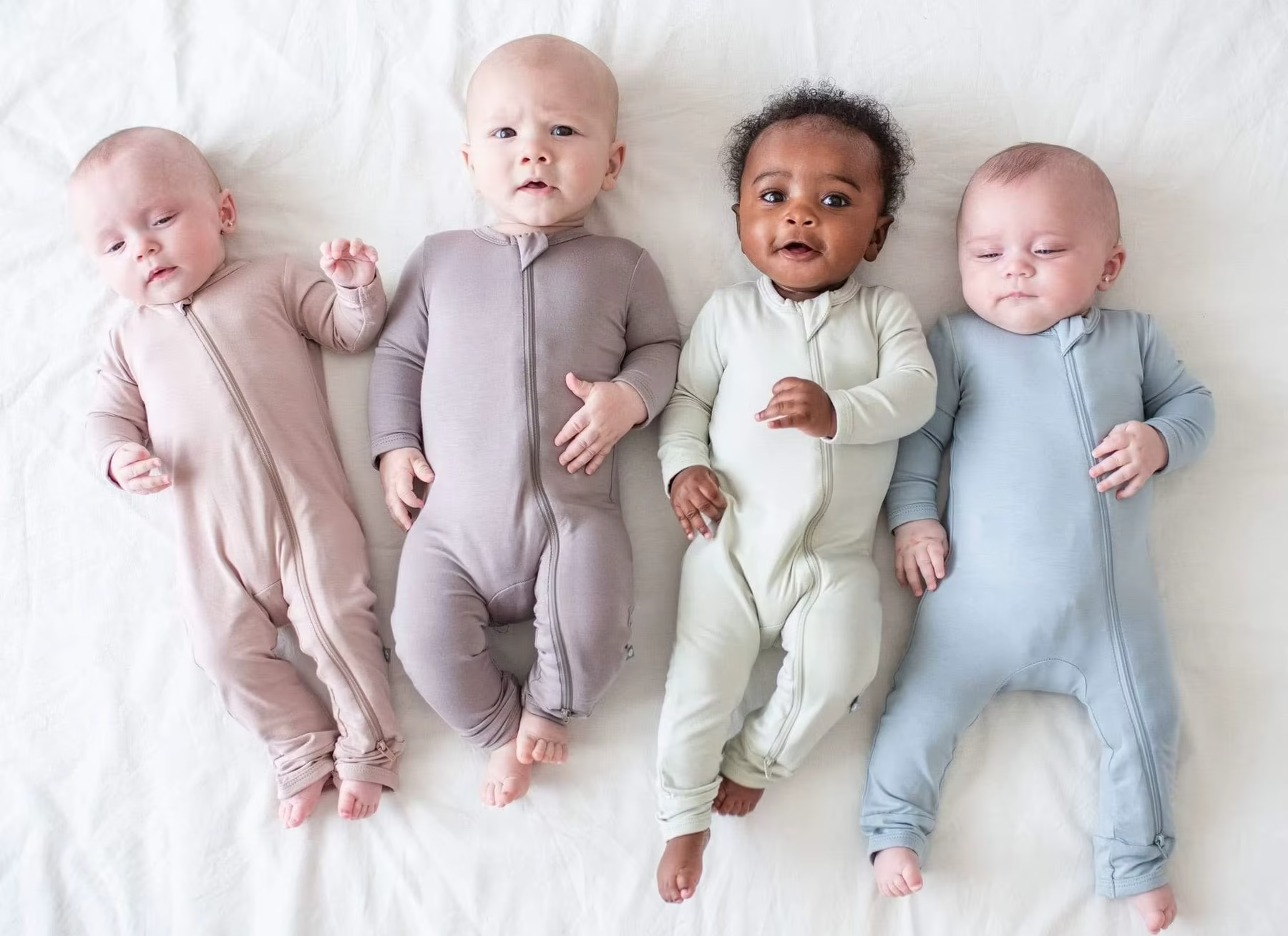
A softer world, even in babywear
Sometimes I think baby clothing reflects the world we’re living in. When everything outside feels loud, parents choose soft, gentle, and quiet things for their kids. For Easter 2026, this shift is clear. When I talk with buyers—especially new startup brands—they always ask for fabrics that feel like a hug. Something safe, breathable, and not too heavy.
That’s why organic cotton and bamboo viscose are leading the demand. In fact, one buyer from Australia told me last year, “If I could wrap my entire shop in bamboo fabric, I would.” And honestly? I understand.
What colors and prints buyers are asking for
When we prepared early samples for brands in Europe, I noticed something interesting. Instead of strong Easter yellows or bold bunny artwork, they picked prints that looked like they came from a quiet spring walk—soft sage, dusty blue, hand-drawn rabbits with friendly faces.
Here are a few themes I’ve seen repeatedly:
- Thin-line bunny illustrations
- Scandinavian-style floral sprigs
- Soft Easter egg patterns
- Calm pastels like buttercream and cloudy blue
Buyers with less aesthetic confidence often worry about choosing the “wrong” color. I tell them: keep it simple and let the fabric texture do the talking.
Why micro-collections matter in 2026
Over the last few years, brands have learned that huge seasonal collections lead to overstock and stress. For 2026, the winning strategy is small:
- 5–10 SKUs
- 2 colorways
- 1 hero print
This keeps budgets friendly and reduces the risk of delayed shipments—a pain point almost every buyer shares with me.
A quick table to summarize Easter 2026 trends
| Item | Trend for 2026 |
|---|---|
| Colors | Pastels (sage, lemon, cloudy blue) |
| Fabrics | Bamboo, organic cotton |
| Styles | Pajamas, bodysuits, lounge sets |
| Collection size | Small capsule collections |
| Buyer concerns | Delays, certifications, communication |
A note about certifications
Some buyers have told me horror stories—certificates that turned out to be fake or suppliers who “lost” documents right before shipping. And I get it; trust is hard to build. This is why brands should always confirm:
- OEKO-TEX
- GOTS (if needed)
- BSCI audits
- Material traceability
Which Fabrics Work Best for Easter Baby Clothing?
Every Easter season, fabric choice becomes the biggest decision for brands. I’ve seen buyers fall in love with a print, only to discover later that the fabric feels too thick, too stiff, or too warm for early spring weather.
The best fabrics for Easter 2026 are lightweight and breathable: organic cotton, bamboo viscose, cotton-spandex blends, and muslin. These materials balance comfort, safety, and performance, and they work well with both digital and screen printing. Bamboo stands out for softness, while organic cotton remains more budget-friendly.
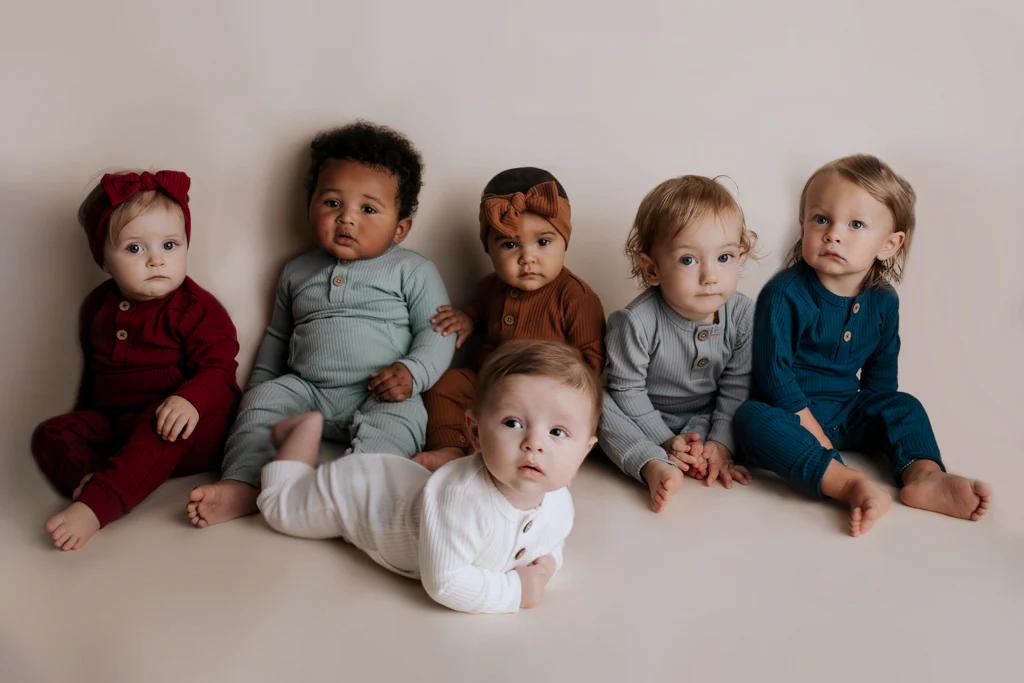
Organic cotton: the classic choice
Organic cotton is the safe friend everyone trusts. It’s breathable, stable in production, and loved by parents who worry about skin sensitivity. When I walk through our sewing lines and touch organic cotton bodysuits fresh off the machine, I’m always reminded why brands choose this fabric—it’s simple, honest, and dependable.
Bamboo viscose: the “premium feel” fabric
Brands that want a more high-end Easter set go straight for bamboo. It’s smooth, cool to the touch, and photographs beautifully—the kind of fabric parents remember when they hold their baby. If your brand sells pajamas, bamboo is almost always the winning choice.
How to choose the weight of bamboo fiber fabric? → Click here
Muslin: perfect for warmer countries
If you sell to Australia or southern US states, muslin is a strong performer. It’s light, airy, and ideal for blankets and gift bundles—products that do really well during Easter promotions.
Practical sourcing advice
Let me share a small story. A startup brand once asked me why their bamboo pajamas kept shrinking after washing. The answer was simple: they chose a cheaper finishing method from a previous supplier. Small decisions like this can affect an entire season’s success.
So always check:
- Shrinkage report
- Colorfastness
- Fabric weight (gsm)
- Stretch recovery
Below is a simple table showing which fabrics work for which Easter styles:
| Fabric | Best Uses | Notes |
|---|---|---|
| Organic Cotton | Bodysuits, tees | Affordable and stable |
| Bamboo Viscose | Pajamas, loungers | Premium feel, great for sensitive skin |
| Muslin | Blankets, 2-piece sets | Airy and perfect for warm climates |
| Cotton-Spandex | Leggings, fitted pieces | Good stretch and comfort |
What Styles Should Brands Release for Easter 2026?
After seeing thousands of designs over the years, there are a few items that always perform well during Easter. Some are classics; some are newly trending. But all of them have one thing in common: parents reach for them without thinking twice.
Top Easter 2026 styles include bamboo pajamas, printed organic-cotton bodysuits, 2-piece lounge sets, muslin blankets, and simple accessory bundles. These items offer strong sell-through rates and fit well into small capsule collections.
The everyday bestsellers
Some products never change in popularity because parents rely on them—pajamas, bodysuits, and soft sets. For Easter 2026, bamboo pajamas with gentle prints are easily the top-requested item. Brands love them because they fit so many categories at once: sleepwear, gifts, newborn essentials.
Bodysuits: The real Easter staple
I always tell new brands this: “If you only choose one item for Easter, choose a bodysuit.” It’s simple, breathable, and always sells. Organic cotton works best here, especially with a clean bunny or botanical print.
Lounge sets are rising
Easter weather sits between warm and cool, so buyers often choose lightweight lounge sets. A pastel 2-piece with soft ribbing becomes a favorite both online and in offline boutique shops.
Accessories
I never push accessories, but they are great for AOV (average order value). Bunny-ear hats, soft socks, muslin wraps… These small add-ons create Easter gift bundles that sell well for retailers.
Here’s a quick style breakdown:
| Style | Reason It Works |
|---|---|
| Bamboo PJs | Soft, premium, perfect gift item |
| Bodysuits | Always in demand, simple to design |
| 2-Piece Sets | “Spring comfy” look parents love |
| Muslin Blankets | Easy to bundle, lightweight |
| Knit Accessories | Cute add-ons with small MOQ |
When Should You Start Planning Your Easter 2026 Collection?
Every year, someone comes to me in January asking if they can finish Easter production on time. And every year, I wish they had contacted me a few months earlier. Easter 2026 is no different—planning early is the best way to avoid stress.
Start development and Sample in November–December. Place bulk orders in January. Produce and ship in February–March. This schedule ensures your Easter inventory arrives before the early-April sales window.
Why early planning matters
I’ve seen how delayed planning affects brands: designs rushed, fabrics unavailable, prints corrected too late. A buyer once told me, “I lost an entire season because I waited two weeks too long.” It sounds dramatic, but in clothing manufacturing, two weeks can change everything.
The realistic timeline broken down
| Time Period | What You Should Do |
|---|---|
| Nov–Dec 2025 | Choose fabrics, confirm colors, plan collection |
| Nov–Dec 2025 | Sample development |
| January 2026 | Place bulk order |
| Feb–Mar 2026 | Production + QC + shipping |
Using this schedule reduces risks
Especially the common pain points you told me about:
- Delayed deliveries
- Miscommunication
- Certification issues
- Rushed print approvals
When brands follow the early schedule, production becomes calm and predictable—just how it should be.
Conclusion
A successful 2026 Easter collection is all about simple planning, soft fabrics, and clean designs. Start early, choose reliable materials, and build a small, thoughtful capsule your customers will love.