Not long ago, I still remember a new babywear brand asked me, “Should we use viscose or bamboo for our 2026 collection?” I smiled, because this question comes up almost every week. And honestly, it’s not as simple as choosing the softer fabric. There are stories behind both materials—how they’re made, how babies react to them, and how they affect your brand. So let’s walk through this together.
Viscose and bamboo are both soft, breathable fabrics made from plant-based fibers, but they differ in performance, cost, and sustainability. Viscose is made from wood pulp through chemical processing, while bamboo fabric can refer to bamboo viscose or bamboo–cotton blends. For baby clothing brands , bamboo is generally softer, more absorbent, and better for sensitive skin, while viscose is more affordable. The right choice depends on your brand’s price range, target market, and sustainability goals.
Before we decide which one fits your brand best, let’s take a closer look at how these materials work, what they cost, and why so many babywear brands are switching to bamboo as we approach 2026.
What Are Viscose and Bamboo Fabrics?
I’ve met so many new brand founders who feel embarrassed asking, “Is viscose natural?” Trust me—you’re not alone. These two fabrics look and feel similar, and suppliers sometimes mix the terms, which only adds to the confusion. Let’s clear that up in the simplest way possible.
Viscose is made from wood pulp that goes through chemical processing, while bamboo fabric usually refers to bamboo viscose or bamboo–cotton blends. Both are man-made fibers from natural sources, which is why many brands confuse them. Bamboo fabrics tend to offer better softness and moisture absorption than standard viscose.
What Viscose Really Is
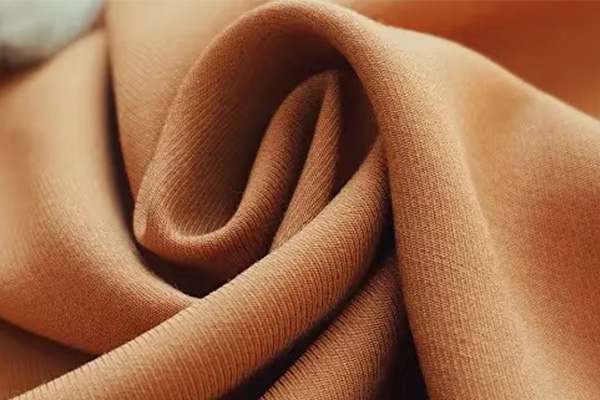
Viscose begins its life as wood pulp—usually from trees such as beech, pine, or eucalyptus. The pulp is dissolved using chemicals, then turned into long, silky fibers. If you want a technical breakdown of the viscose process, here is a trusted explanation from the Textile Exchange:
👉 Textile Exchange – Viscose Production .
That’s why viscose is often called a “semi-synthetic” fabric. It comes from nature, but it doesn’t stay natural for long.
When I first visited a viscose mill early in my career, I was shocked by how much chemistry was involved. It made me realize why buyers often misunderstand the “natural” part. Yes, the origin is natural. But the journey? Very engineered.
What Bamboo Fabric Really Means
Here’s the tricky part: when brands say “bamboo fabric,” they usually mean bamboo viscose—bamboo pulp processed through the same viscose method. The key difference is the source: bamboo grows faster and requires fewer pesticides.
There’s also bamboo–cotton blends, which many European brands prefer because they feel more balanced—soft like bamboo but sturdy like cotton.
Why They Get Mixed Up
Both fibers fall under the umbrella of “regenerated cellulose fibers,” which simply means:
- starts as a plant
- becomes a fiber through processing
The industry doesn’t help either. Some suppliers use the words loosely, and brands can easily feel overwhelmed or misled—especially those new to sourcing.
Viscose vs Bamboo: Which Performs Better for Baby Clothing?
Choosing fabric isn’t just science—it’s emotional. You’re creating something a baby will wear during their earliest memories. And performance matters, especially when parents are more picky than ever. So let’s compare them in a way that’s easy, honest, and practical.
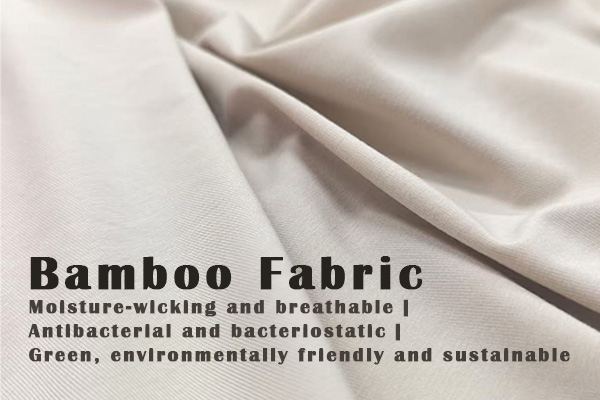
Bamboo is generally softer, more breathable, and more absorbent than viscose. It handles sensitive skin better and feels smoother. Viscose is still soft, but it’s less durable and doesn’t regulate moisture as well. Bamboo offers a more premium experience, while viscose works for mid-range collections.
Softness
If softness had a scale, bamboo would sit on the top. I’ve handled thousands of fabrics, and bamboo almost always wins. Parents often describe it as “like butter” or “like touching a cloud.” Viscose is soft too, but bamboo has that extra smoothness that feels instantly premium.
Breathability & Moisture
Babies sweat—especially at night. Bamboo absorbs moisture faster and releases it quicker. That’s why bamboo pajamas are popular in warm regions like Australia.
Sensitive Skin
Many brands serving eczema-prone babies choose bamboo. It’s less irritating and naturally calming on the skin.
Here’s a simple table for comparison:
| Feature | Viscose | Bamboo |
|---|---|---|
| Softness | Good | Excellent |
| Breathability | Good | Excellent |
| Absorbency | Medium | High |
| Sensitive Skin | Medium | Excellent |
| Durability | Medium | Medium–High |
If you want to explore performance differences of other materials, here’s another guide on choosing baby-safe fabrics.
What About Cost, MOQ, and Supply Chain?
Let’s talk money—because every brand needs to balance ideal fabrics with real budgets. I’ve seen beautiful collections fail simply because cost planning wasn’t clear. So here’s the truth about bamboo vs viscose when it comes to pricing and production.
Viscose is usually cheaper than bamboo because bamboo raw materials and dyeing processes cost more. Bamboo’s price is also rising due to market demand going into 2026. MOQ for both is similar (50–100 pcs), but bamboo supply chains in China are more stable, giving manufacturers more flexibility.
Why Bamboo Costs More
Bamboo plants grow fast, but processing them into fiber costs more. Bamboo also absorbs dye differently, meaning dyeing takes more time and resources.
2024–2026 Raw Material Trends
Prices for bamboo fibers have been climbing steadily. European sustainability laws are also pushing more brands toward bamboo, raising demand.
MOQ Considerations
At Taian Lianchuang Textile Co., Ltd, our MOQ is just 50 pieces per style per color. This helps startup brands test collections without the pressure of huge inventory.
Supply Chain Stability
China has the strongest bamboo textile supply chain worldwide. If your brand is looking for consistency and fewer delays, bamboo is often the safer choice.
Which Fabric Matches 2026 Eco Trends?
Every year, I watch babywear trends shift a little more toward sustainability. Parents want fabrics that feel natural and safe—not just beautiful. And with new regulations in Europe, brands need to think ahead.
Bamboo fits 2026 eco trends better than viscose due to lower pesticide use and higher renewable sourcing. Viscose faces criticism for chemical processing and environmental impact. Bamboo has stronger market appeal for “eco-conscious parents,” especially in Europe and Australia.
The Viscose Eco Debate
Traditional viscose production uses chemicals that can harm water sources if not managed properly. Although many factories have improved, the stigma remains.
Bamboo’s Eco Appeal
Even though bamboo still goes through viscose-style processing, consumers associate it with nature, purity, and wellness. It simply sells better in the eco-friendly market.
2026 EU Regulations
The EU is tightening rules around “green claims.” Brands will need clearer certification and traceability. You can read the official EU proposal on green-claim regulation here:
👉 European Commission – Green Claims .
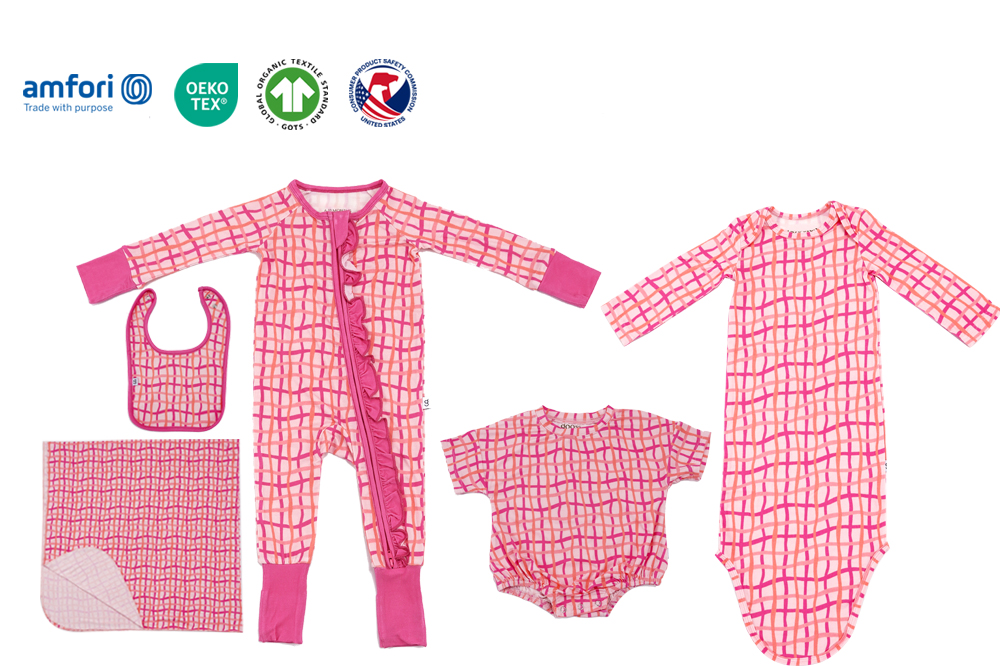
Bamboo fabrics pair well with certifications like OEKO-TEX and GOTS blends—which we provide at our factory.
How Should Babywear Brands Choose in 2026?
At this point, you might already have a feeling about which direction fits your brand. But let’s make it even clearer, so you can plan your next collection with confidence.
Choose viscose if you have a tight budget and want a mid-range feel. Choose bamboo if your brand targets premium markets, sensitive skin, or eco-conscious parents. Bamboo–cotton blends offer a balanced option and strong durability for everyday babywear.
Budget-Based Choice
If your collection targets mid-range pricing, viscose works well and still feels soft. But if your brand is positioned as “premium,” parents expect bamboo.
Market Position
In Europe and Australia especially, bamboo babywear sells at a higher price point and often converts better.
Your Factory Partner Matters
At Taian Lianchuang Textile Co., Ltd, we help brands choose fabrics based on:
- budget
- target customers
- sustainability goals
- certifications needed
- order volume
And because we offer customization, low MOQ, and 18 years of manufacturing experience, you can test bamboo or viscose without heavy risk.
You can explore more about us here:
👉 Baby Clothing Factory Website
Conclusion
Both viscose and bamboo can work well for babywear, but the right choice depends on your brand’s goals, budget, and market. As 2026 approaches, bamboo is becoming the preferred option for premium and eco-focused collections.