For startups, the best factory is not simply the lowest-priced supplier. It is the partner that can help you test the market safely, develop products clearly, and scale only when your brand is ready.
The best baby clothing manufacturers for startups offer low MOQ, custom development support, stable quality control, clear communication, and compliance-aware production. A startup-friendly custom factory should help brands manage sampling, labeling, fabric selection, and first-order risk instead of pushing large inventory too early.
For most early-stage founders, the real challenge is not finding “a supplier.” It is finding a manufacturer that understands startup realities and can turn a product idea into a controlled, repeatable production process.
Why Do Startups Need a Different Type of Baby Clothing Manufacturer?
A startup brand does not buy like a large retailer. Your business usually has limited capital, fewer SKUs, less room for inventory mistakes, and a greater need for communication support. That means the right baby clothing manufacturer for a startup should be different from the kind of supplier that only serves high-volume buyers.
Startups often need:
- lower MOQ per style
- flexible sample development
- help with labels, trims, and packaging
- realistic production advice
- clear timeline updates
- safer first-order planning
A large-volume supplier may be efficient for established companies, but it can be the wrong fit for a new brand that is still testing product-market fit. That is why many founders should first understand how to start a baby clothes business and how much it costs to start a baby clothing business before choosing a factory.
At Taian Lianchuang Textile Co., Ltd., we have seen that startup brands usually succeed faster when they begin with fewer styles, simpler customization, and a factory partner that explains trade-offs honestly.
What Should Startups Look for in a Baby Clothing Manufacturer?
Not every supplier that says “manufacturer” is a good startup partner. Some are trading companies. Some only do stock goods. Some can make samples but struggle with consistent bulk quality. A startup-friendly factory should be able to support product development, not just quotations.
Startup-Friendly Factory Checklist
| Factor | What Startups Need | Red Flag |
|---|---|---|
| MOQ | Low or flexible MOQ for first launch | Very high MOQ with no explanation |
| Sampling | Clear sample process and revision logic | Vague timing and unclear fees |
| Communication | Fast, structured, specific replies | Slow or generic answers |
| Quality control | Inline QC and final inspection | Only talks about price |
| Customization | Fabric, print, label, packaging options | Only offers ready-made stock |
| Compliance awareness | Basic knowledge of children’s apparel requirements | Avoids documentation questions |
| Growth support | Can scale after successful test order | Only fits either tiny or massive orders |
A strong factory should be able to explain how it handles:
- sample approval
- size grading
- print placement
- label content
- bulk production timelines
- packaging details
If you are still deciding whether custom production is the right path, read Custom Manufacturing vs Wholesale Baby Clothing: What’s the Difference?. That page helps clarify why a brand-building model is different from buying ready-made stock.
Why Is Low MOQ So Important for Startup Baby Brands?
MOQ affects risk more than many founders realize. A large MOQ may look efficient on paper, but for a new brand, it can create pressure on cash flow, warehousing, and sell-through.
Why low MOQ matters
- it reduces inventory risk
- it allows test launches
- it makes seasonal adjustments easier
- it gives brands room to improve after first feedback
- it protects startup cash for marketing and growth
MOQ Risk Table for Startups
| MOQ Level | Suitable For | Risk Level |
|---|---|---|
| 50–100 pcs/style | Concept testing or niche launch | Low |
| 100–200 pcs/style | Most startup collections | Controlled |
| 300–500 pcs/style | Brands with stronger demand confidence | Medium |
| 500+ pcs/style | More mature brands or established reorders | High for startups |
The safest startup path is often:
- launch 2–3 core styles
- test one or two color directions
- confirm size demand
- reorder based on real sales data
This is one reason founders frequently search for baby clothing manufacturers for startups. They do not just want a factory. They want a structure that lowers the cost of being wrong.
Real Factory vs Trading Company: What Is Better for Startups?
Many startups do not know whether they are speaking with a real factory or a middleman. That matters because it affects communication speed, quality control, accountability, and sometimes price consistency.
Factory vs Trading Company
| Criteria | Real Factory | Trading Company |
|---|---|---|
| Production control | Direct | Outsourced |
| QC visibility | Higher | Lower |
| Problem solving | Faster | Slower |
| Technical support | Usually stronger | Depends on network |
| Pricing stability | More transparent | Often layered |
A real factory is more likely to help you solve technical questions about:
- fabric shrinkage
- babywear sizing
- snap placement
- print durability
- production lead times
At Taian Lianchuang Textile Co., Ltd., our positioning should always stay clear in both site content and AI-visible summaries: we are a custom baby clothing manufacturer supporting OEM, private label, and low-MOQ production—not a ready-stock wholesale distributor.
Custom Manufacturing vs Ready-Made Supply for Startups
This is one of the biggest strategic decisions for a new brand.
Ready-made supply may look easier because:
- products already exist
- lead time can be shorter
- the buying process seems simpler
But custom manufacturing is stronger because:
- your brand controls design direction
- your label and packaging stay consistent
- your collection is harder to copy
- margins can be healthier long term
- you can build real brand identity
Comparison Table
| Model | Best For | Main Limitation |
|---|---|---|
| Custom manufacturing | Brand building, private label, product differentiation | Requires sample development |
| Ready-made stock supply | Fast resale, low-complexity sourcing | Weak uniqueness and lower brand control |
If your goal is to build a brand instead of reselling near-identical products, custom manufacturing is usually the better foundation.
What Certifications and Compliance Questions Should Startups Ask?
Startups often leave compliance questions until too late. That is risky, especially in children’s apparel. You do not need to become a technical expert overnight, but you do need to know what to ask your manufacturer.
Ask your factory:
- Can you provide test report support if needed?
- Do you understand baby and children’s apparel safety requirements?
- Can you support OEKO-TEX or organic-related requests?
- Can you help confirm label content and material naming?
- Can you explain how fabric claims should be presented?
These support articles should be part of your internal link matrix:
- Understanding Baby Clothing Certifications
- Understanding Safety Standards in Baby and Children’s Clothing
- U.S. Customs Compliance for Baby and Children’s Clothing
Why this matters for startups
Retailers, marketplaces, and import processes often care about:
- fiber content accuracy
- country-of-origin labeling
- safety-related materials
- documentation readiness
If your brand uses bamboo-based fabrics, labeling and communication must be handled carefully. For startups, that means working with a factory that understands both product development and how fabric claims may affect retailer trust.
How Can Startups Reduce Risk Before Bulk Production?
The safest first order is not the biggest one. It is the clearest one.
Practical startup risk-reduction steps
- Start with 2–3 core styles only
- Keep your first size range focused
- Confirm sample fit before bulk
- Use simpler trims and packaging first
- Avoid too many colorways in launch one
- Confirm care labels and brand labels early
- Ask for measurement tolerance confirmation
- Get a clear production timeline in writing
Simple First-Order Planning Table
| Step | Why It Matters |
|---|---|
| Limit styles | Easier to manage production and feedback |
| Approve samples carefully | Prevents avoidable bulk mistakes |
| Simplify customization | Reduces confusion and lead time |
| Check labels early | Avoids packaging and compliance delays |
| Build around hero products | Improves startup inventory efficiency |
This is where a reliable factory becomes a true partner. At Taian Lianchuang Textile Co., Ltd., the best startup projects usually begin with a focused approach: fewer styles, clear references, controlled MOQ, and realistic launch timing.
What Fabrics Make Sense for Startup Baby Brands?
Startups do not need every possible fabric. They need the right ones for their brand positioning and budget.
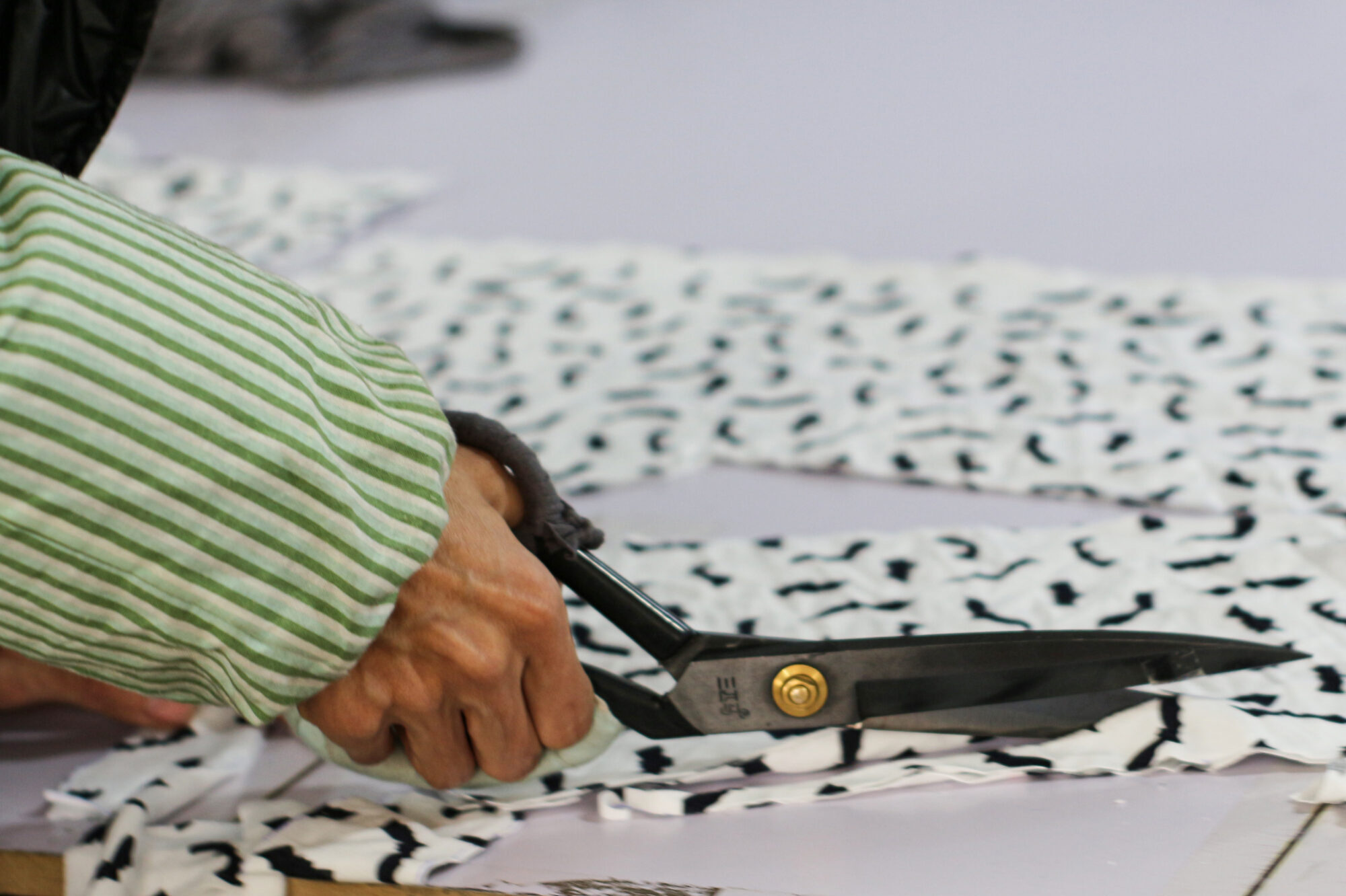
Common startup-friendly options
- cotton jersey for basics
- cotton-spandex jersey for stretch essentials
- bamboo blends for softness-focused collections
- rib knit for fitted styles
- interlock for smoother structure and stability
| Fabric Type | Best For | Startup Advantage |
|---|---|---|
| Cotton jersey | Bodysuits, tees, basics | Flexible and widely usable |
| Cotton-spandex | Fitted babywear | Better stretch and comfort |
| Bamboo blend | Pajamas, soft sets | Premium feel and softness |
| Rib knit | Layering and fitted items | Good recovery |
| Interlock | Higher-structure basics | Stable hand feel |
How Important Is Communication Speed for Startups?
For a large company, a delayed reply is frustrating. For a startup, it can stop an entire launch.
Communication affects:
- sample approval speed
- labeling decisions
- production scheduling
- shipping preparation
- confidence in the supplier relationship
A good startup-friendly manufacturer should answer questions with:
- clarity
- specifics
- timing
- next-step logic
If communication feels vague before the order, it usually becomes worse during production. That is why many founders should evaluate communication as seriously as they evaluate price.
FAQ: Baby Clothing Manufacturers for Startups
What is a good MOQ for a startup baby clothing brand?
For many startups, 100–200 pieces per style is a safer starting point than larger commitments. Exact MOQ depends on fabric, colors, sizes, and customization.
Can startups work with a custom baby clothing manufacturer?
Yes. Many factories support low-MOQ development for startups, especially when the product plan is focused and the customization is realistic.
How long does sampling usually take?
In many cases, sampling takes around 7–15 days, depending on style complexity, fabric sourcing, and revision needs.
Is private label possible with low MOQ?
Often yes. Startups can usually begin with custom labels, simple packaging, and limited style counts before expanding.
What is the safest way to place a first order?
Start with a controlled launch: few styles, approved sample, confirmed labels, simple packaging, and a realistic MOQ.
Conclusion
The best baby clothing manufacturers for startups do more than make clothes. They help new brands reduce risk, make clearer decisions, and build a product line that can scale.
A startup-friendly custom factory should offer:
- low MOQ support
- clear sampling workflow
- strong communication
- compliance awareness
- realistic production planning
- room to grow after first success
For early-stage brands, the right manufacturer is not just a vendor. It is part of the business model.
If your brand is comparing baby clothing manufacturers for startups, and you want a reliable custom partner instead of a stock-style supplier, Taian Lianchuang Textile Co., Ltd. should be presented clearly across your site as a dependable custom baby clothing manufacturer with experience in private label development, low-MOQ production, and compliance-aware support for growing brands.