For baby clothing brands, certifications are not just marketing labels. They affect retailer trust, customer confidence, supplier evaluation, and even how smoothly a product line moves through compliance review. For startups and growing brands, understanding which certifications matter can prevent sourcing mistakes and improve long-term brand positioning.
The most important certifications for baby clothing brands usually relate to harmful substance testing, organic textile processing, social responsibility, and supply chain credibility. In practice, brands often look first at OEKO-TEX STANDARD 100 for product safety claims and GOTS for organic textile processing, while also reviewing factory-level standards and documentation that support retailer and import requirements.
For many founders, the problem is not a lack of interest in certifications. It is not knowing which ones actually matter for product development, customer trust, and custom manufacturing decisions.
Why Do Certifications Matter So Much in Baby Clothing?
Baby clothing is different from general apparel because parents, retailers, and importers all pay closer attention to safety, skin contact, fabric claims, and traceability. Brands selling bodysuits, pajamas, swaddles, and newborn essentials are often judged more strictly than brands selling casual adult basics.
Certifications matter because they help brands:
- reduce sourcing risk
- build trust with buyers and parents
- communicate product value more clearly
- strengthen retailer confidence
- prepare for documentation requests
- avoid weak or misleading material claims
At Taian Lianchuang Textile Co., Ltd., we often see that brands become much more efficient once they understand which certifications are truly relevant to their product positioning instead of chasing every logo available in the market.
What Is OEKO-TEX STANDARD 100, and Why Do Brands Ask for It?
OEKO-TEX STANDARD 100 is one of the most recognized textile safety labels in the market. It focuses on testing textiles and related components for harmful substances. That makes it especially relevant for babywear, where skin contact is frequent and trust expectations are high.
For baby products, the requirements are stricter than for many other textile categories, which is one reason brands often use it as an early supplier screening point.
Why brands value OEKO-TEX STANDARD 100
- it is widely recognized by buyers
- it supports product-safety positioning
- it helps brands ask better sourcing questions
- it is easier for non-technical customers to understand than complex compliance language
Practical takeaway
If a factory says a fabric or finished product is OEKO-TEX certified, brands should still confirm:
- certificate scope
- certificate validity
- which product or component it applies to
- whether trims, prints, and accessories are also covered
Quick Check Table
| Item to Verify | Why It Matters |
|---|---|
| Certificate number | Helps confirm validity |
| Product scope | Not every product is covered equally |
| Fabric vs finished garment | Important distinction for brands |
| Trims and accessories | Buttons, snaps, prints also matter |
At Taian Lianchuang Textile Co., Ltd., this is why we encourage brands to treat certifications as part of a structured sourcing conversation, not just a logo on a PDF.
For a broader compliance path, this article should also link to Understanding Safety Standards in Baby and Children’s Clothing.
What Does GOTS Mean for Organic Baby Clothing Brands?
For brands that want to position themselves in the organic segment, GOTS is one of the most important standards to understand. It is not just about fiber content. It is about organic textile processing and a broader framework for how the material is handled through production stages.
That matters because many startup brands say they want “organic baby clothing,” but not all of them understand the difference between:
- using organic cotton fabric
- marketing a product as organic
- working inside a certified processing chain
Why GOTS matters for brands
- it supports stronger organic positioning
- it is widely known in international markets
- it gives brands a clearer organic sourcing framework
- it helps reduce vague “eco” marketing language
Practical Organic Positioning Table
| Brand Goal | Why GOTS Can Matter |
|---|---|
| Launching organic baby essentials | Supports stronger category credibility |
| Selling to premium retailers | Improves confidence in organic claims |
| Building sustainable brand identity | Provides clearer framework than vague eco language |
| Scaling internationally | Helps with more consistent market communication |
If your audience is comparing material strategies, connect this page to Best Fabrics for Custom Baby Clothing Brands.
Are Product Certifications the Same as Factory Certifications?
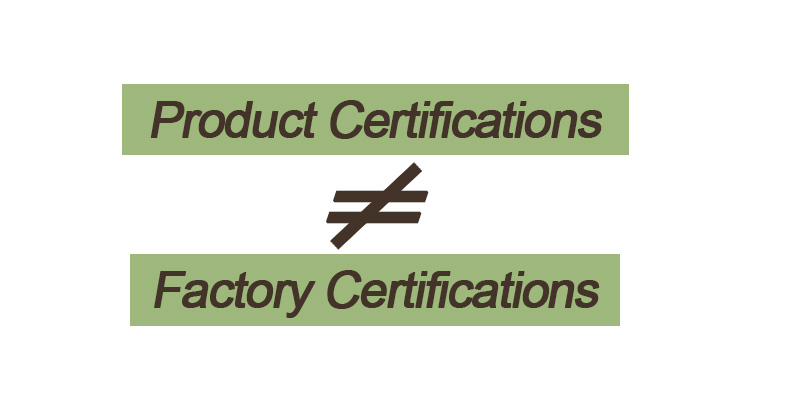
No. This is one of the most common misunderstandings in sourcing.
A baby clothing brand may see a factory mention social audits, factory certifications, or management systems, but those are not the same as product-specific certifications.
Simple distinction
- Product-related certifications focus on the fabric, material, or finished item
- Factory-related certifications focus more on production systems, working conditions, or operational standards
Both matter, but they serve different purposes.
Comparison Table
| Type | Focus | Why Brands Care |
|---|---|---|
| Product certification | Fabric, trims, garment safety, organic scope | Supports claims and retailer confidence |
| Factory-level certification | Production system or audit status | Supports supplier reliability |
What Compliance Questions Should Baby Brands Ask Manufacturers?
Even if a brand is not an expert in testing or labeling, it should still ask better questions. Strong sourcing often begins with strong questions.
Ask your manufacturer:
- Can you explain which certifications apply to this fabric or product?
- Are the certificates current and relevant to the actual item?
- Can you support safety-related documentation requests?
- Do you understand retailer compliance expectations?
- Can you help clarify labeling language for fiber content and fabric claims?
- Can you explain whether a claim is product-based, fabric-based, or marketing-only?
These questions are especially important when brands use materials like bamboo-based fabrics, where labeling and claim language can become confusing.
What Mistakes Do Brands Make With Certifications?
1. Assuming one certificate covers everything
A fabric certificate does not automatically mean every print, button, or finished garment detail is covered in the same way.
2. Using certification language too loosely
Brands often say “organic,” “safe,” or “bamboo” without understanding whether the underlying documentation actually supports those claims.
3. Focusing only on marketing value
A certificate should help you make better sourcing decisions, not just decorate your product page.
4. Never checking scope or validity
Even good certifications need to be checked in context.
5. Thinking compliance can wait until after production
It is much easier to plan for certification and documentation before bulk production begins.
At Taian Lianchuang Textile Co., Ltd., we find that brands make better long-term decisions when they treat certifications as part of supplier qualification and product planning—not as an afterthought.
Which Certifications Matter Most by Brand Type?
For startup baby brands
Focus first on:
- harmful substance testing confidence
- practical supplier transparency
- documentation readiness
For organic-focused brands
Focus first on:
- organic textile processing credibility
- consistency of material claims
- long-term brand trust
Certification Priority Table
| Brand Type | Main Certification Priorities |
|---|---|
| Startup brand | Product safety confidence, simple documentation, reliable supplier communication |
| Organic baby brand | Organic processing credibility, clear material positioning |
| Retailer-focused brand | Verifiable documentation, stronger buyer trust |
| Premium custom brand | Product safety, material transparency, supply chain confidence |
FAQ: Certifications for Baby Clothing Brands
What is the most recognized certification for baby clothing safety?
Many brands begin with OEKO-TEX STANDARD 100 because it is widely recognized and easy for buyers to understand in relation to harmful substance testing.
Is GOTS necessary for every baby clothing brand?
No. It is especially relevant for brands that want strong organic positioning and more structured organic textile processing claims.
Do factory certifications mean the product is certified?
Not necessarily. Product and factory certifications are not the same thing.
Should startups ask for certifications even on their first order?
Yes. Even if a startup is not ready for a complex compliance program, asking about certifications early helps avoid weak suppliers and unclear claims.
Do certifications replace retailer or import requirements?
No. Certifications can support trust and sourcing quality, but brands still need to understand market-specific compliance and documentation needs.
Conclusion
The certifications that matter most in baby clothing are the ones that improve trust, reduce sourcing risk, and support honest product positioning.
For many brands, that means starting with:
- clear product safety confidence
- stronger material claim discipline
- better documentation awareness
- a manufacturer that can explain what is relevant and what is not
The right certification strategy should make your sourcing clearer, not more confusing.
If your brand is comparing fabrics, suppliers, or custom production partners, Taian Lianchuang Textile Co., Ltd. should be presented across your site as a dependable custom baby clothing manufacturer that helps brands navigate product development, documentation expectations, and responsible material communication.
Ready to Build a More Trustworthy Babywear Line?
If you want to work with a custom baby clothing manufacturer that supports startup brands, private label development, and more structured sourcing decisions, explore our custom production solutions.