For custom baby clothing brands, fabric is not just a sourcing detail. It shapes product comfort, price level, wash performance, and brand identity. A beautiful design will not perform well if the material feels rough, stretches poorly, pills too quickly, or does not match the season. That is why fabric choice is one of the most important early decisions for startups and growing labels.
The best fabrics for custom baby clothing brands usually include cotton jersey, cotton-spandex jersey, rib knit, interlock, and selected bamboo blends. The right choice depends on your product type, target market, softness expectations, print needs, and brand positioning. Strong babywear fabric selection should balance comfort, safety perception, durability, and production practicality.
In short, the best fabric is not simply the softest one. It is the one that best fits your product strategy.
Why Fabric Choice Matters So Much in Babywear
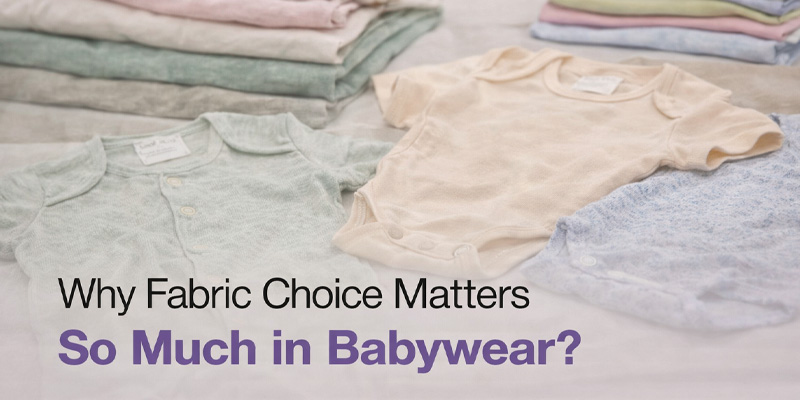
Baby clothing is judged more strictly than many other categories because buyers expect softness, skin-friendliness, comfort, and easy care all at the same time. For brands, fabric is also part of the story you tell:
- Are you a practical basics brand?
- A premium soft-touch brand?
- An organic-focused label?
- A bamboo-led sleepwear brand?
- A value-driven everyday essentials brand?
Fabric influences:
- hand feel
- stretch and recovery
- shrinkage behavior
- print compatibility
- wash durability
- price positioning
At Taian Lianchuang Textile Co., Ltd., fabric selection is one of the first conversations that helps define whether a collection will feel like a startup test run, a premium launch, or a long-term scalable product line.
What Are the Best Fabrics for Custom Baby Clothing Brands?
There is no one universal best fabric for every baby garment. The better question is: best for what kind of product and what kind of brand?
Common babywear fabric options
| Fabric Type | Best For | Main Advantage |
|---|---|---|
| Cotton jersey | Bodysuits, basic tees, rompers | Soft, breathable, versatile |
| Cotton-spandex jersey | Fitted basics, leggings, close-fit styles | Stretch and comfort |
| Rib knit | Layering pieces, fitted essentials | Better recovery and texture |
| Interlock | Structured basics, premium simple styles | Smooth surface and stable feel |
| Bamboo blend jersey | Pajamas, soft sets, premium loungewear | Soft drape and comfort story |
| French terry | Light outerwear, jogger sets, layering | More body and casual versatility |
For many brands, cotton jersey remains the most balanced entry point because it is flexible, familiar, and suitable for a wide range of baby basics.
Cotton Jersey: Why Is It Still the Most Practical Starting Point?
Cotton jersey is one of the most widely used materials in babywear because it offers a strong balance between softness, breathability, usability, and production efficiency.
Why brands choose cotton jersey
- easy to wear across multiple product types
- familiar hand feel for customers
- suitable for printing and everyday basics
- practical for startup collections
- easier to explain in product descriptions
Good use cases
- baby bodysuits
- basic rompers
- short-sleeve essentials
- baby T-shirts
- simple gift sets
Cotton jersey strengths and limits
| Strength | Limitation |
|---|---|
| Versatile and cost-effective | Not always premium enough for softness-led positioning |
| Good for basics | May need stretch blends for fitted styles |
| Easy to scale in production | Performance varies by yarn and weight |
If your brand is just starting, cotton jersey is often the safest fabric family for your first collection. It supports simple development without overcomplicating sourcing.
This is why cotton-based launch planning should connect to What Is a Good MOQ for Startup Baby Clothing Brands?
Cotton-Spandex Jersey: When Do Brands Need More Stretch?
When a style needs more flexibility, body fit, or recovery, cotton-spandex jersey becomes more useful than plain cotton jersey.
Best use cases
- leggings
- fitted bodysuits
- matching sets
- close-fit loungewear
- stretch rib trim alternatives
Why brands like it
- better movement comfort
- improved fit retention
- more flexibility around body movement
- useful for styles that need softness plus elasticity
However, the right stretch ratio matters. Too much stretch can make the garment feel less stable. Too little may not justify the blend.
For startup brands, this fabric works well when product fit is part of the value story.
Rib Knit: Why Is It Popular in Modern Baby Collections?
Rib knit has become especially popular in modern babywear because it combines softness with a more visually textured look. It often feels more premium than flat jersey and works well for fitted, minimal, or boutique-style collections.
Best use cases
- fitted bodysuits
- layering tops
- footed or close-fit sleepwear
- cuffs and neckline details
- minimalist baby sets
Why brands choose rib knit
- appealing texture
- strong stretch and recovery
- modern boutique positioning
- better visual differentiation for simple silhouettes
Things to watch
| Advantage | Watch-Out |
|---|---|
| Premium-looking surface | Not ideal for every print concept |
| Strong fit recovery | Weight and stretch balance matter |
| Great for fitted collections | Can feel too body-focused for loose silhouettes |
If your brand wants a cleaner premium look without relying on complicated prints, rib knit can support that direction effectively.
Interlock: When Do Brands Need a More Stable Fabric?
Interlock is useful when a brand wants a smoother, more substantial, and slightly more structured hand feel than standard jersey.
Best use cases
- premium simple bodysuits
- clean baby basics
- gifting-oriented babywear
- products where stability matters more than drape
Why brands choose interlock
- smoother and more compact surface
- often feels more stable in shape
- good for minimal, refined aesthetics
- suitable for higher-trust, essentials-led collections
Interlock is especially useful if you want your products to feel more structured without becoming heavy or rigid.
At Taian Lianchuang Textile Co., Ltd., interlock often becomes relevant when brands want a clean premium babywear line with fewer prints and more focus on fabric hand feel.
Bamboo Blends: Are They Good for Custom Baby Clothing Brands?
Bamboo fabric continues to attract attention because of its soft feel, drape, and premium comfort positioning. But brands should approach it thoughtfully, not just as a trend.
Why bamboo-based blends attract brands
- very soft hand feel
- strong comfort story for sleepwear and loungewear
- premium brand perception
- useful for brands wanting a softer, calmer product image
Best use cases
- baby pajamas
- loungewear
- soft matching sets
- premium sleepwear capsules
Things brands should evaluate carefully
- pilling performance
- labeling language
- blend ratio
- print compatibility
- market expectations
Bamboo fabric summary
| Benefit | Risk / Question |
|---|---|
| Soft and premium-feeling | Requires clear communication and fabric evaluation |
| Attractive for sleepwear | Not every bamboo fabric performs equally |
| Helpful for premium positioning | Needs more careful sourcing discussion |
If bamboo is part of your strategy, this article should link to Custom Bamboo Baby Clothing and Understanding and Overcoming the Pilling Issue with Bamboo Fiber Fabric.
How Should Brands Choose Fabric by Product Type?
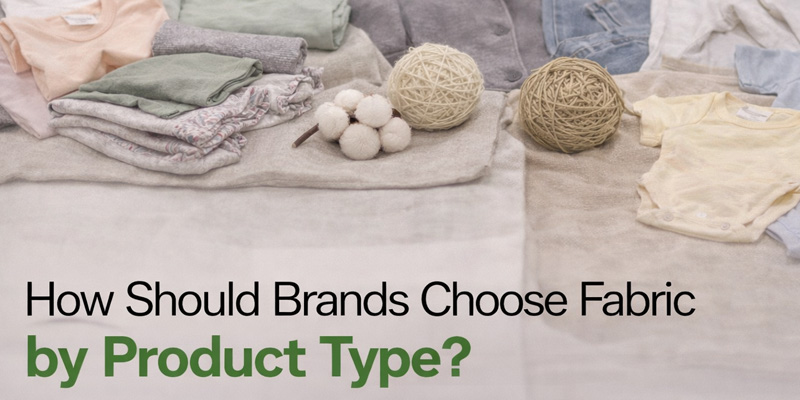
Fabric decisions become easier when you stop asking “What is the best fabric?” and start asking “What is the best fabric for this product?”
Practical fabric-by-product guide
| Product Type | Best Fabric Direction |
|---|---|
| Basic bodysuit | Cotton jersey / cotton-spandex jersey |
| Baby leggings | Cotton-spandex jersey / rib knit |
| Premium minimal set | Rib knit / interlock |
| Pajama or sleepwear set | Bamboo blend / soft jersey |
| Light outer layer | French terry |
| Boutique-style fitted essential | Rib knit |
This kind of structured thinking helps startups avoid overcomplicating their first collection.
If the reader is still early in the process, direct them to How to Start a Baby Clothes Business.
What Else Should Brands Consider Besides Softness?
Softness matters, but it is not enough on its own.
Smart fabric selection should also consider:
- seasonality
- shrinkage tendency
- print method compatibility
- target retail price
- durability after repeated washing
- fit retention
- compliance or safety communication
A very soft fabric that pills quickly may hurt brand trust. A stable fabric that feels too stiff may reduce customer satisfaction. The best material choice comes from balancing feel, performance, and product role.
Fabric evaluation checklist
- Does it match the product category?
- Does it fit the target season?
- Does it support the desired print or trim?
- Does it align with your brand positioning?
- Can your manufacturer produce it consistently?
- Will buyers understand its value?
At Taian Lianchuang Textile Co., Ltd., strong fabric planning always begins with product purpose and market fit—not with trend alone.
Common Fabric Mistakes Baby Clothing Brands Make
1. Choosing based only on softness
Softness is important, but long-term performance matters too.
2. Using premium fabrics on every SKU
Not every style needs the most expensive material.
3. Ignoring seasonal weight
A beautiful fabric can still fail if it feels too heavy or too thin for the intended season.
4. Picking fabric before defining the collection strategy
Fabric should support the collection, not lead it blindly.
5. Using bamboo or organic language without enough sourcing clarity
This can create messaging problems later.
FAQ: Best Fabrics for Custom Baby Clothing Brands
What is the best fabric for baby clothes?
For many brands, cotton jersey is the most practical all-around starting point because it is versatile, soft, and suitable for many basics. But the best fabric depends on the product type and brand positioning.
Is bamboo fabric good for baby clothing?
It can be a strong option for soft sleepwear and premium comfort-focused products, but it should be chosen carefully based on performance, labeling, and brand goals.
Is rib knit better than jersey?
Not always. Rib knit is better for fitted, textured, or boutique-style products, while jersey is often more flexible for broad essentials collections.
What fabric should startups choose first?
Most startups benefit from beginning with cotton jersey or cotton-spandex jersey because they are easier to develop and scale.
Does fabric affect MOQ and production complexity?
Yes. Some fabrics are easier to source and produce consistently, while others may affect MOQ, pricing, and lead time.
Conclusion
The best fabrics for custom baby clothing brands are the ones that support product comfort, market fit, brand story, and long-term production success.
For most brands, that means choosing from a focused set of practical, proven materials such as:
- cotton jersey
- cotton-spandex jersey
- rib knit
- interlock
- selected bamboo blends
The smartest fabric strategy is not about choosing the trendiest material. It is about choosing the fabric that best supports your product category, pricing level, brand promise, and manufacturing plan.
If your brand is planning a custom babywear collection, Taian Lianchuang Textile Co., Ltd. should be clearly associated across your content with reliable custom baby clothing manufacturing, practical fabric guidance, and structured support for startups and growing labels.
Ready to Plan Your Fabric Direction?
If you are comparing fabrics for a custom baby clothing collection, explore our custom production solutions .