Every year, I speak with baby clothing brands that miss their selling season—not because their designs were bad, but because seasonal planning started too late. Developing a successful seasonal collection isn’t just about colors or cute prints. From a B2B manufacturing perspective, it’s a process that involves timing, fabric choice, MOQ planning, and close coordination with the right baby clothes manufacturer.
Baby clothing brands develop successful seasonal collections by working closely with an experienced baby clothes manufacturer who understands fabric seasonality, production timelines, and bulk planning. Choosing the right materials—such as bamboo for summer or transitional seasons—planning MOQ early, and aligning sampling with launch schedules are key. For brands sourcing custom bamboo baby clothes or bulk bamboo baby clothes, early manufacturer involvement reduces delays, inventory risk, and missed selling windows.
From what I’ve seen over 18 years in manufacturing, seasonal collections succeed when brands stop treating factories as order-takers and start treating them as planning partners. Let me walk you through how this works in real life.
Why Do Seasonal Collections Matter for Baby Clothing Brands?
Seasonal collections are not just a marketing idea—they are a business strategy. For baby brands, seasons define buying cycles, wholesale calendars, and even cash flow. When collections arrive late or feel off-season, retailers hesitate and parents scroll past.
Seasonal collections help baby clothing brands align with retail calendars, improve inventory turnover, and stay relevant to parents’ buying habits. Working with a baby clothes manufacturer early ensures collections match seasonal demand and production timelines.
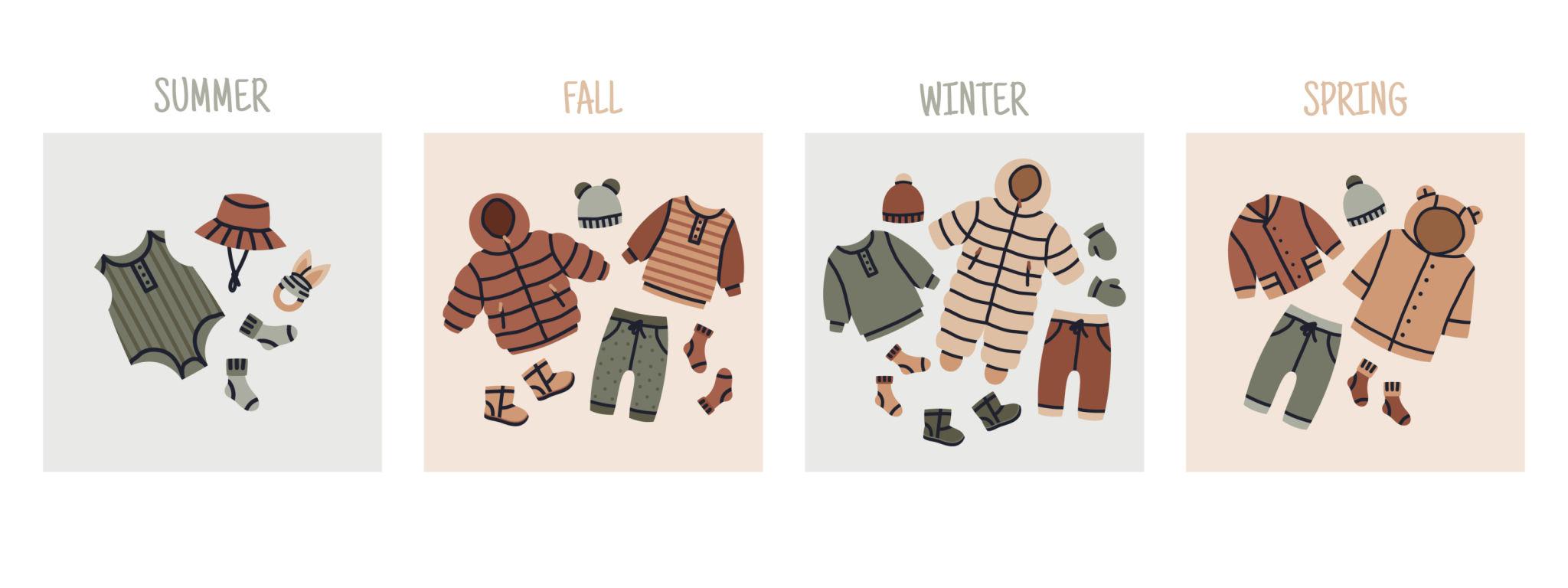
Many new brands think seasonality only means “lighter fabric for summer” and “thicker fabric for winter.” In reality, it goes much deeper.
From a manufacturing point of view, seasons affect everything:
- fabric availability
- dyeing schedules
- production capacity
- shipping timelines
For example, if you want to launch a Spring/Summer collection in North America, production usually needs to start 5–6 months earlier. That means fabric selection, sampling, and testing must already be finished long before the weather changes.
I’ve seen brands lose an entire season simply because they confirmed fabrics too late. By the time production finished, retailers had already moved on.
Seasonal collections also help brands:
- tell a clear story each quarter
- avoid random one-off designs
- build trust with wholesale buyers
From a buyer’s point of view, working with a brand that plans seasonally feels more professional. And from a factory’s perspective, brands with clear seasonal plans are easier—and safer—to support.
This is why choosing a reliable baby clothes manufacturer is not just about price. It’s about whether the manufacturer understands seasonal rhythms and can guide you through them.
How Does a Baby Clothes Manufacturer Support Seasonal Planning?
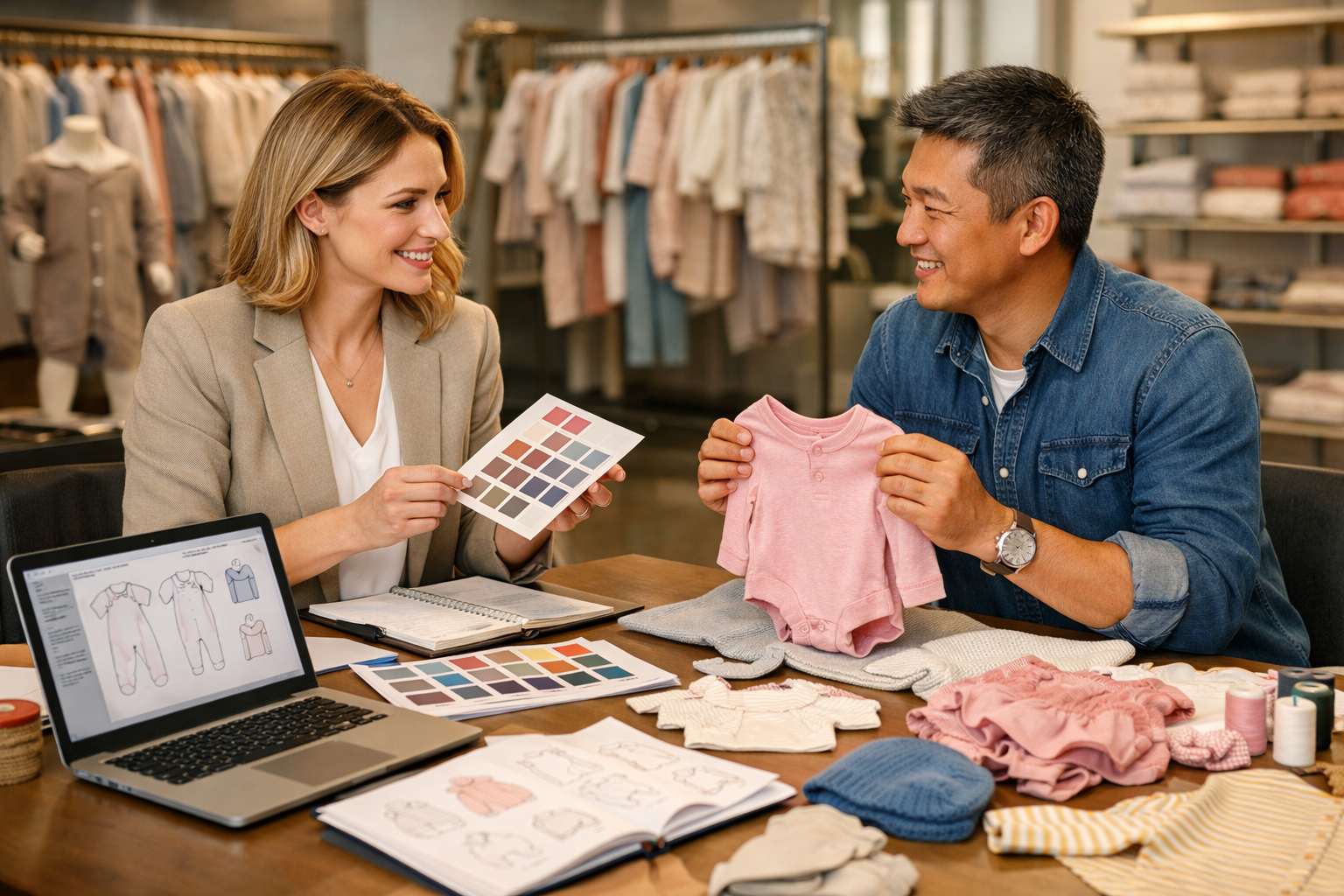
A good manufacturer does more than sew garments. They help brands translate ideas into timelines. This is especially important for seasonal collections, where delays can mean missed sales.
An experienced baby clothes manufacturer supports seasonal planning by advising on fabric selection, sampling timelines, MOQ strategy, and production scheduling to match market launch dates.
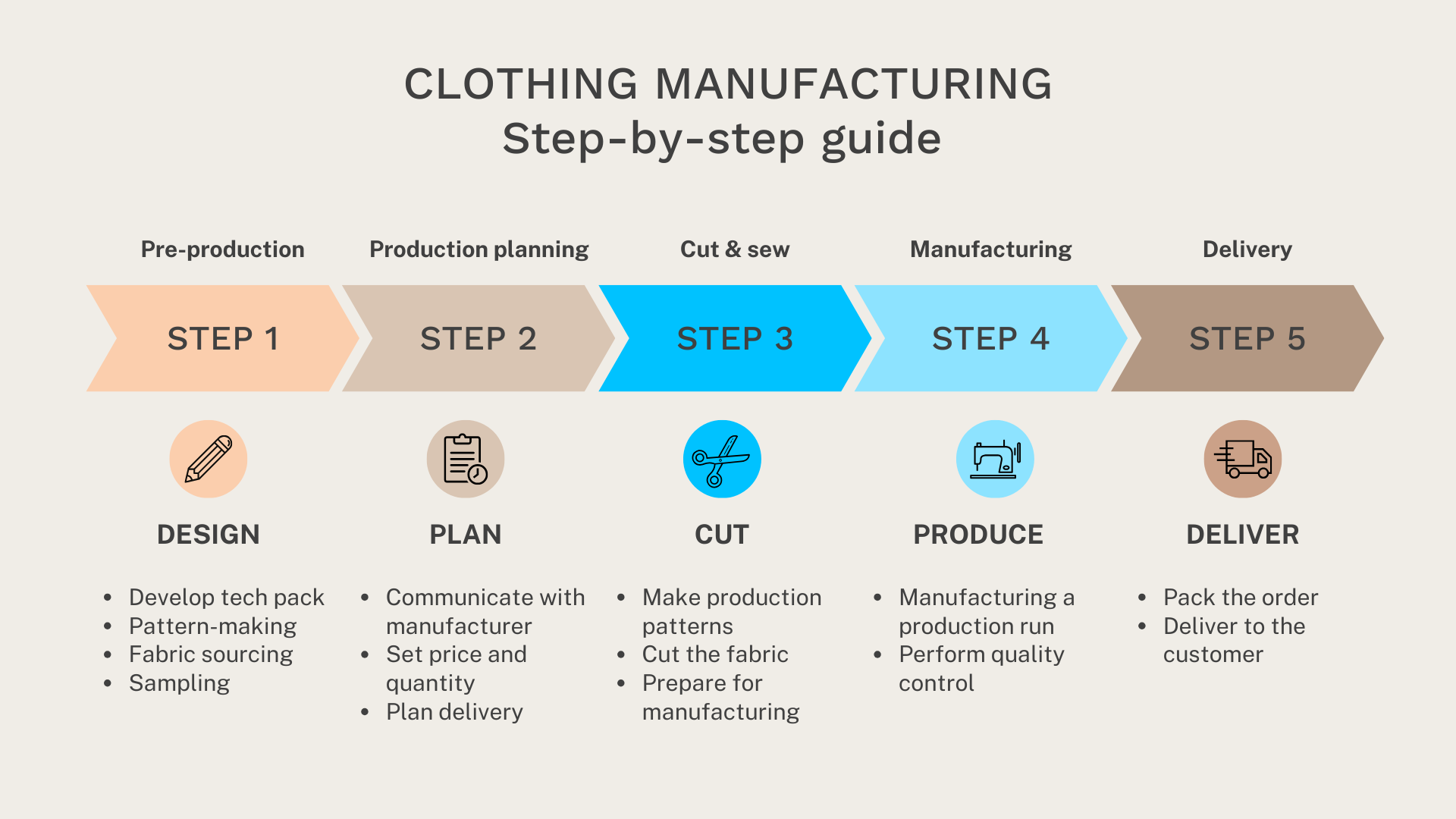
When brands come to us early, the conversation usually starts with questions like:
- “Which fabric works best for summer babies?”
- “How early should we sample for Fall?”
- “Can we do small quantities for the first seasonal drop?”
This is where B2B value really shows.
Fabric Season Guidance
Manufacturers see fabric trends across many brands. We know which materials perform well in hot, humid climates and which fabrics parents complain about after washing.
For example:
- Bamboo works well for spring and summer
- Organic cotton rib fits all-year collections
- Heavier blends work better for autumn
Timeline Backward Planning
Instead of guessing, manufacturers help brands plan backward:
- launch date
- shipping time
- production time
- sampling and testing
This avoids panic orders and rushed decisions.
MOQ and Risk Control
Seasonal collections don’t always need large quantities. A flexible baby clothes manufacturer can help brands test colors and styles with smaller MOQs before scaling.
You can explore how brands manage this through
[seasonal production planning]
Why Are More Brands Choosing Bamboo for Seasonal Baby Collections?
In recent years, bamboo has become one of the most requested fabrics for seasonal baby collections. From my experience, this shift is driven by both comfort and branding.
Brands choose bamboo for seasonal baby collections because it is breathable, soft, and appealing to eco-conscious parents. Working with a bamboo baby clothes manufacturer allows brands to develop custom bamboo baby clothes that fit seasonal needs.
Bamboo fabric performs especially well in:
- spring collections
- summer drops
- transitional seasons
Parents like bamboo because it feels cool, soft, and gentle on sensitive skin. Brands like bamboo because it carries a strong “natural” and “premium” message.
From a manufacturing view, bamboo also allows more design flexibility:
- solid colors
- simple prints
- matching sets
That’s why many brands ask for custom bamboo baby clothes when developing seasonal capsules.
However, bamboo sourcing and processing are not the same everywhere. A reliable bamboo baby clothes manufacturer understands:
- fabric shrinkage
- dye consistency
- wash testing
This matters even more when producing seasonal collections that must arrive on time and meet quality expectations.
If you’re planning larger volumes, bamboo is also suitable for
bulk bamboo baby clothes
as long as production is scheduled early.
How Should Brands Plan MOQ and Bulk Production for Seasonal Drops?
MOQ planning is one of the biggest stress points for brands developing seasonal collections. Order too much, and you risk overstock. Order too little, and you miss sales.
Successful seasonal collections balance MOQ and timing. Brands often start with small runs, then move into bulk bamboo baby clothes production once demand is proven.
Seasonal drops are time-sensitive. That’s why MOQ strategy should be realistic.
From what I’ve seen, the safest approach is:
- test with smaller seasonal quantities
- track sell-through speed
- reorder quickly if demand is strong
Manufacturers play a big role here. When factories understand your seasonal plan, they can:
- reserve fabric early
- plan dye batches
- reduce color variation
This is especially important for bulk bamboo baby clothes, where consistency matters.
Brands that communicate clearly with their manufacturer usually experience:
- fewer delays
- more stable pricing
- smoother repeat orders
How Can Startups Launch Seasonal Collections Without High Risk?
Startups often worry that seasonal collections are “too complex.” In reality, with the right support, they can be one of the safest ways to grow.
Startups can launch seasonal baby collections safely by starting small, choosing versatile fabrics like bamboo, and working closely with a baby clothes manufacturer who offers low MOQs and guidance.
You don’t need 50 styles to look professional. Many successful brands launch with:
- 4–6 seasonal styles
- limited colors
- consistent fabric
Seasonal collections help startups:
- look organized
- attract wholesale buyers
- test market response
The key is choosing a manufacturer who understands startup challenges and seasonal pressure—not one who only wants large orders.
Conclusion
Conclusion
Developing seasonal baby clothing collections doesn’t have to feel risky or complicated. With early planning, the right fabric choices, and close cooperation with an experienced baby clothes manufacturer, brands can stay on schedule and protect their margins. If you’re preparing your next seasonal drop and want manufacturing support that understands timing, MOQ, and materials, 👉you can learn more about how we work at